
Where Paris High-End Fashion Meets Tennis Culture
Casablanca Paris was founded on the notion that the most elegant occasions in athletics unfold not during the competition itself but in the areas around it—the clubhouse terrace, the locker room, the post-game dinner. Designer Charaf Tajer drew upon his own time spent moving between Parisian cultural scene and Moroccan sunshine to establish a fashion house that frames tennis as a aesthetic and cultural universe rather than a competitive sport. Starting with its 2018 debut, Casablanca Paris built a tie to tennis culture through silk shirts decorated with tennis rackets, nets and lush botanical motifs. This was not sportswear; it was a vision of the athletic lifestyle filtered through luxury fabrics and sophisticated artwork. By rooting the house in tennis culture, Tajer connected with a long-standing tradition of grace: recall the white flannels of 1930s players, the colourful awnings of Roland-Garros and the social scene that surrounds Grand Slam tournaments. In 2026, this tennis identity continues to be the central pillar of every Casablanca Paris season, even as the label expands into tailoring, outerwear and accessories that go far beyond the court.
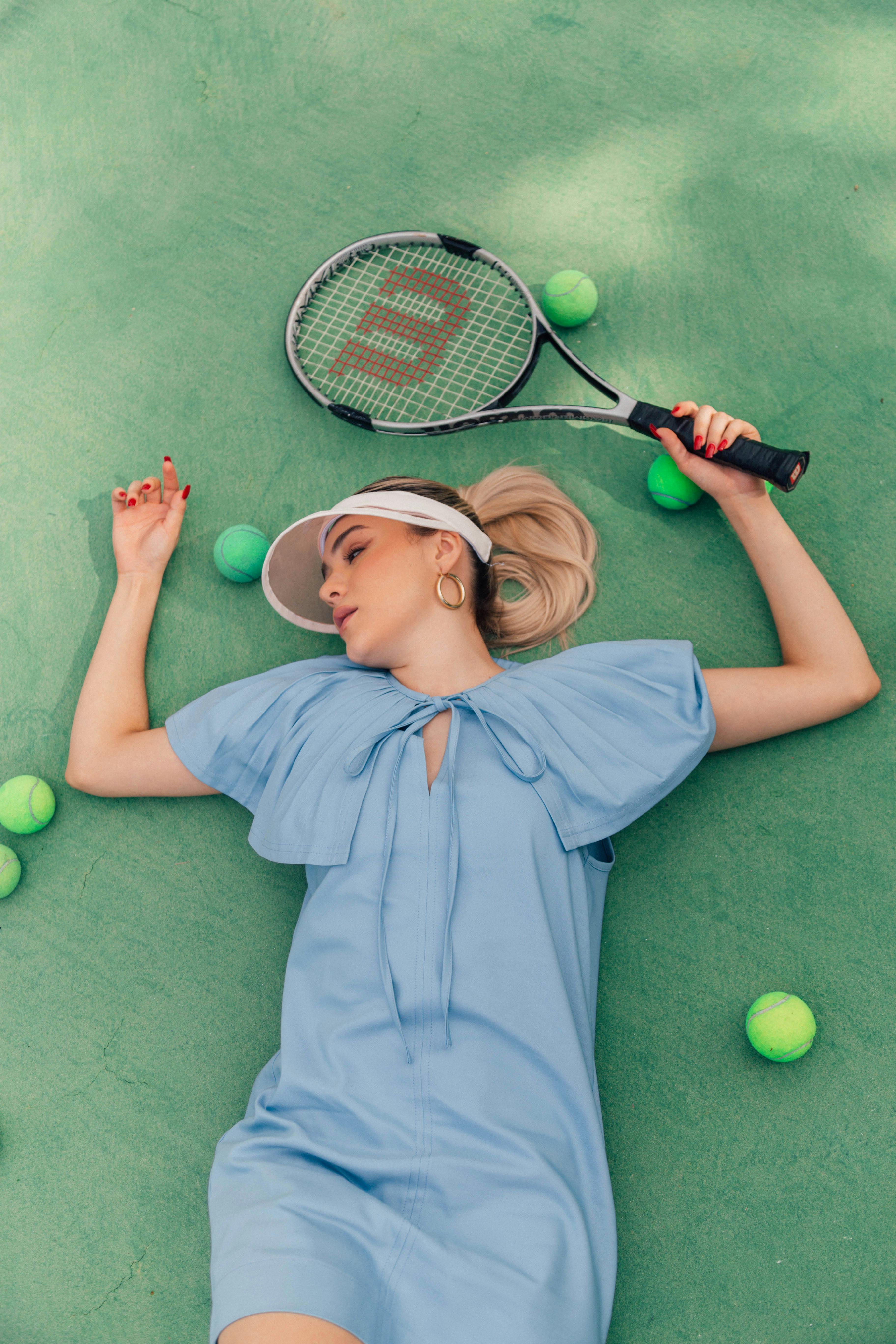
The Tennis Look in Casablanca Paris Collections
Tennis gives Casablanca Paris with a ready-made design language that is both defined and widely resonant. Clay-court reds, grass-court greens, net-white stripes and sun-yellow highlights run through collection palettes, imparting each season a sporting rhythm. Illustrations depict matches, audiences, cups and Mediterranean venues executed in a artistic, softly nostalgic approach that avoids straightforward sportswear design. Logo crests adopt the heraldic motif of imaginary tennis clubs, creating a feeling of community and exclusivity without referencing any real organisation. Knitwear typically includes cable-knit or woven patterns recalling vintage tennis jumpers, while collared shirts casablanca brand and polo silhouettes reference match-day outfits. Terry cloth—a fabric known for sideline linens and wristbands—is used in shorts, robes and casual tops, reinforcing the physical connection to sport. Even add-ons like caps, visors and wristbands bear the Casablanca Paris crest, transforming practical items into collectible brand signifiers. This multi-faceted method means that the tennis reference appears genuine and growing rather than tired, sustaining customers invested across several seasons in 2026 and beyond. Accessories such as a crest cap or woven belt can deepen the athletic atmosphere without creating visual clutter to the ensemble.
Key Tennis-Inspired Items Across Seasons
| Piece | Tennis Reference | Standard Fabric | Price Range (2026) |
|---|---|---|---|
| Silk printed shirt | Courtside viewer | Mulberry silk | $700–$1 200 |
| Terry shorts | Club changing room | Cotton terry | $350–$500 |
| Knit polo | Tournament attire | Merino / cotton blend | $400–$650 |
| Track jacket | Warm-up garment | Satin / tricot | $600–$900 |
| Logo cap | Sun coverage on court | Cotton twill | $150–$250 |
| Embroidered sweatshirt | Club identity | Premium fleece | $450–$700 |
Why Tennis Heritage Connects With High-End Customers
Tennis has for decades been connected to affluence, privilege and cultural sophistication, making it a ideal partner for high-end fashion. Elite clubs, exclusive courts and major championships provide settings where fashion, etiquette and visual culture meet. Unlike contact sports that focus on physicality, tennis values poise, skill and personal style—attributes that mirror the principles of luxury clothing brands. Casablanca Paris harnesses this cultural capital by offering garments that depict an idealised portrait of the tennis scene: perpetually bathed in sunlight, always social, unfailingly dressed impeccably. This aspirational world resonates with shoppers who may never participate in professional tennis but who appreciate the lifestyle it embodies. In 2026, as health and sport increasingly intersect with clothing design, the tennis reference appears even more relevant. Competitions like Wimbledon, the US Open and Roland-Garros persist in draw high-profile interest and press attention, strengthening the connection between tennis and fashion. Casablanca Paris profits from this environment by positioning itself as the clothing source for customers who want to look like they have access to the finest venues in the globe, whether they carry a racket or not.
How Casablanca Paris Differs From Other Tennis-Inspired Fashion Lines
Various fashion brands have drawn on tennis references over the years, from Ralph Lauren’s Wimbledon collaborations to Lacoste’s legacy range and Nike’s runway-adjacent performance lines. What makes Casablanca Paris apart is the degree of its dedication to the visual world and its refusal to make performance sportswear. While other brands may drop a capsule collection themed around tennis every few seasons, Casablanca Paris constructs its entire brand DNA around the discipline. Every drop includes designs that could credibly exist in a invented tennis club from the 1970s, modernised with current hues, prints and proportions. The brand never produces true performance tennis gear—there are no moisture-wicking fabrics, no professional shoes—which maintains the focus on aspiration and lifestyle rather than practicality. This difference is crucial because it positions Casablanca Paris alongside luxury houses rather than sports brands, justifying steeper retail prices and more elaborate creative output. In 2026, rivals keep on launch occasional tennis-themed capsules, but none have threaded the concept as thoroughly into their DNA as Casablanca Paris, granting the brand a creative advantage that is hard to imitate.
Wearing Casablanca Paris With a Tennis Energy in 2026
To integrate the Casablanca Paris tennis spirit into everyday outfits, start with one focal piece that features an obvious sporting nod—a patterned silk shirt, a terry pair of shorts, or a knit polo—and create the rest of the outfit around it with clean items. For men, teaming a silk shirt with pressed cream chinos and suede loafers delivers a refined evening or resort ensemble that mirrors the courtside social scene. For women, styling a Casablanca polo paired with a pleated midi skirt with flat sandals delivers a athletic-elegant outfit ideal for daytime dining and museum outings. Layering is also impactful: drape a track jacket over a simple T-shirt and jeans to bring a burst of colour and sporting energy without committing to head-to-toe theme. During the colder part of the year, a knit or sweatshirt with a subtle tennis crest can layer beneath a long coat or blazer, bringing cosiness and charm to a smart casual ensemble. The guiding principle is subtlety—let the Casablanca Paris piece take centre stage while the rest of the ensemble provides a serene backdrop. This equilibrium ensures the tennis reference sophisticated rather than over-the-top.
The Cultural Impact and Trajectory of Casablanca Paris Tennis Fashion
Beyond garments, Casablanca Paris has helped drive a wider cultural movement in which tennis is rediscovered as a cultural symbol for a newer, more diverse demographic. Online initiatives presenting players, artists and musicians dressed in the brand have extended the influence of tennis fashion beyond conventional elite demographics. Pop-up shops at major tournaments, special editions coinciding with Grand Slams and collaborations with tennis bodies ensure the house visually engaged in sporting settings. In 2026, the influence of Casablanca Paris is visible not only in its own revenue but in the broader fashion industry’s renewed interest in courtside dressing and leisure sport. Other fashion brands have commenced weaving in racket motifs, sport-inspired skirts and terry fabrics into their collections, a movement that can be attributed in part to the template Casablanca Paris created. For consumers, this translates to more possibilities and more normalisation of tennis-inspired style in everyday life. For the label itself, the goal is to stay creative within its defining space so that it remains the authoritative ambassador of premium tennis style rather than one of many. Given Charaf Tajer’s strong personal attachment to the theme and the label’s track record of considered evolution, Casablanca Paris looks set to maintain that position for years to come. For more on the overlap of tennis and fashion, see coverage at Vogue and Highsnobiety.
